


Why This Matters for Malaysia
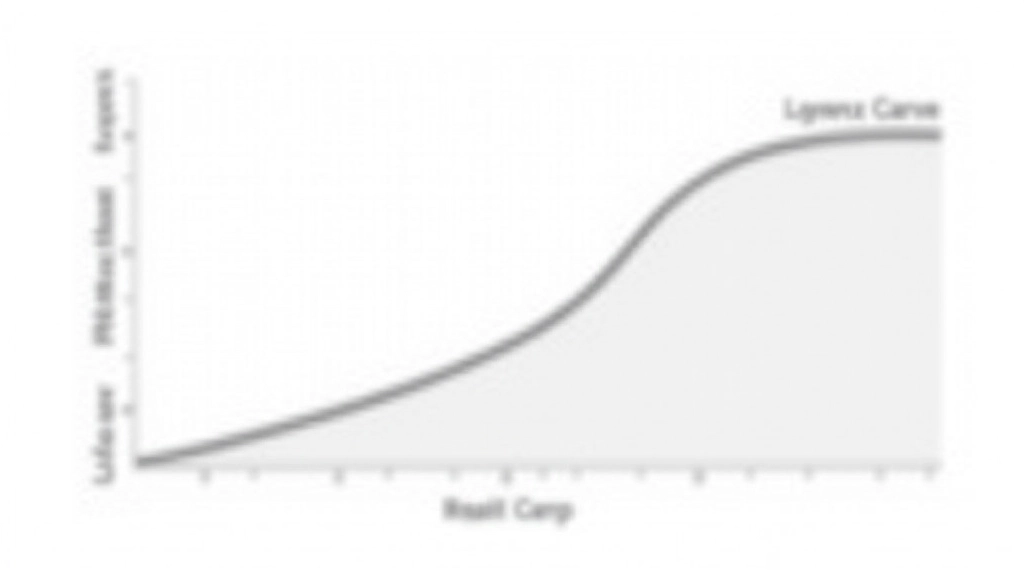
Malaysia’s Gini Coefficient has hovered around 41-43 in recent years, depending on which household income survey you’re looking at. That’s moderate-to-high inequality. But here’s where context becomes crucial—that single number connects directly to Malaysia’s real economic concerns.
You’ve probably heard about Malaysia’s B40, M40, and T20 classifications. These income brackets exist precisely because policymakers recognized that a single average income figure masks serious inequality. The bottom 40% (B40) earn a fraction of what the top 20% (T20) earn, even though they’re part of the same national economy.
The Gini Coefficient quantifies that concern in a single number—it’s the mathematical proof that Malaysia’s growth hasn’t been evenly distributed. That’s why the government’s Shared Prosperity Vision 2030 exists. It’s designed specifically to reduce Malaysia’s Gini Coefficient by improving opportunities for lower-income groups and ensuring broader participation in economic growth.


